Analysis · September 12, 2026
23 Violations in Under Two Years: A Pattern of Prosecutorial Misconduct in Colorado's 11th Judicial District
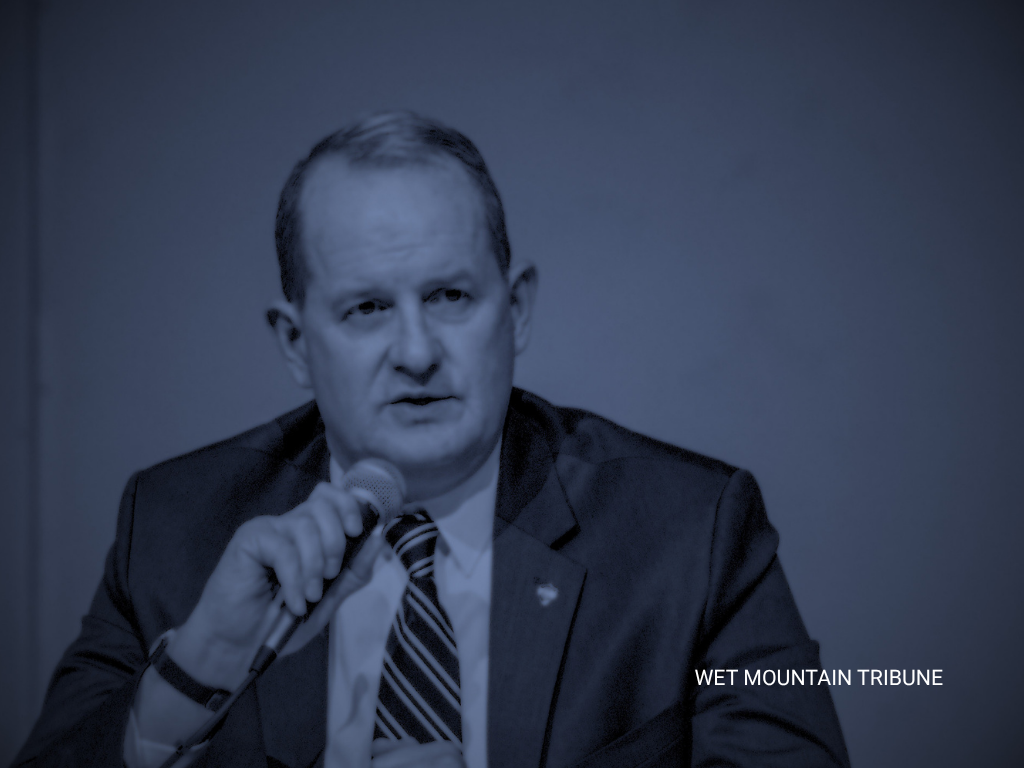
23 Misconduct Findings in One Office: Why Colorado's 11th Judicial District Deserves Scrutiny, Not a Shrug
The watchdog group Protect Ethical Prosecutors has published a catalog of 23 findings of prosecutorial misconduct attributed to Colorado's 11th Judicial District over a span of less than two years. The post lists the violations individually and argues they add up to something an office can't explain away as a run of bad luck: an institutional pattern rather than a series of isolated errors by individual lawyers.
Twenty-three is a number worth sitting with. Most district attorney's offices in this country go decades without accumulating a documented misconduct record like that. And the 11th — a rural district covering Chaffee, Custer, Fremont and Park counties — did not arrive at this moment without warning.
This office already has a record
In October 2024, the elected District Attorney of the 11th Judicial District, Linda Stanley, was disbarred for litigation misconduct, including improper extrajudicial statements to the media during the first-degree murder prosecution of Barry Morphew — statements that contributed to a judicial ruling changing venue in the case, as Reason's Volokh Conspiracy reported. That was not a technicality; disbarment is the profession's most severe sanction, and it is almost never imposed on a sitting prosecutor. Before that, Morphew's attorney Iris Eytan had filed a complaint with the Colorado Office of Attorney Regulation seeking discipline not only for Stanley but for six other prosecutors in the office, citing a pattern, Denver7 reported.
The problem did not leave with Stanley. A Colorado judge later disqualified the entire 11th Judicial District Attorney's Office from an ongoing prosecution, with the court finding it "no longer has faith" the defendant could get a fair trial with that office prosecuting, according to Davis Vanguard. Disqualifying an entire office is an extraordinary remedy. Courts reach for it when they conclude the problem is structural.
So the 23 findings don't land in a vacuum. They land on top of a disbarment and a judicial finding that the office as an institution could not be trusted to try a case fairly.
Read it skeptically — then verify it
Protect Ethical Prosecutors is an advocacy organization, founded by a defense attorney who has litigated against this office. That is not a reason to dismiss the tally; advocates are frequently the only people counting. It is a reason to do what Xonorate thinks anyone should do with a claim this consequential: go to the underlying rulings. Twenty-three findings means 23 court records, 23 dockets, 23 judges who wrote something down. Either the citations hold up or they don't, and that is checkable. A pattern claim that survives independent verification is far more powerful than one asserted.
Why an office-level pattern is the dangerous kind
Official misconduct is the single most common contributing factor in American wrongful convictions. The National Registry of Exonerations' 2024 annual report found official misconduct in at least 104 of the 147 exonerations recorded that year — and in 67 of 85 homicide exonerations, or 79%. The prior year's report showed the same dominance, with misconduct marring 85% of homicide exonerations.
What makes an office-wide pattern distinct is scale. The Registry's Groups Registry exists precisely because misconduct sometimes isn't one bad case — in 2024 alone it published two group cases covering 54 individuals whose exonerations were tied together by systematic misconduct. When the problem is a practice rather than a person, every conviction processed through that practice is suspect: every plea taken without full discovery, every trial where favorable evidence stayed in a file.
And the accountability machinery almost never catches it. An Innocence Project and Veritas Initiative survey of five states over five years identified 660 cases in which courts found prosecutorial misconduct; one prosecutor was disciplined. The Yale Law Journal notes a Center for Public Integrity review of 2,012 appellate cases from 1970 to 2003 where misconduct led to reversals or reduced sentences — with disciplinary action in 44. Most misconduct findings get labeled harmless error, which tells prosecutors the conduct was free.
That is the backdrop against which a rural district's numbers matter. Small jurisdictions have thin public defense resources, no conviction integrity unit, and few reporters watching the courthouse. Cases like this often surface only because one well-funded defendant hired counsel who fought back — which means the defendants without that counsel are invisible in the count.
What's at stake if nobody checks
If the 23 findings hold up, they are not a story about one office's embarrassment. They are a map of where to look for wrongful convictions — a list of years, courtrooms, and practices that produced outcomes nobody has audited. Ignore it and the convictions stand, the files stay closed, and the people who took pleas under a system a judge has already declared untrustworthy never learn what was withheld from them. Disbarment resolved one prosecutor's career. It did not resolve a single case that prosecutor's office touched. Someone has to go back and count.
Sources
Comments
Sign in to leave a comment.