
Today's roundup is short on breaking headlines and long on the kind of slow-motion developments that decide innocence cases: a man walking out of a North Dakota prison after three decades, a federal judge forcing a former top prosecutor to explain her office's exoneration decisions under oath, and a fresh set of national numbers that show official misconduct is still the single most common thread running through American wrongful convictions.
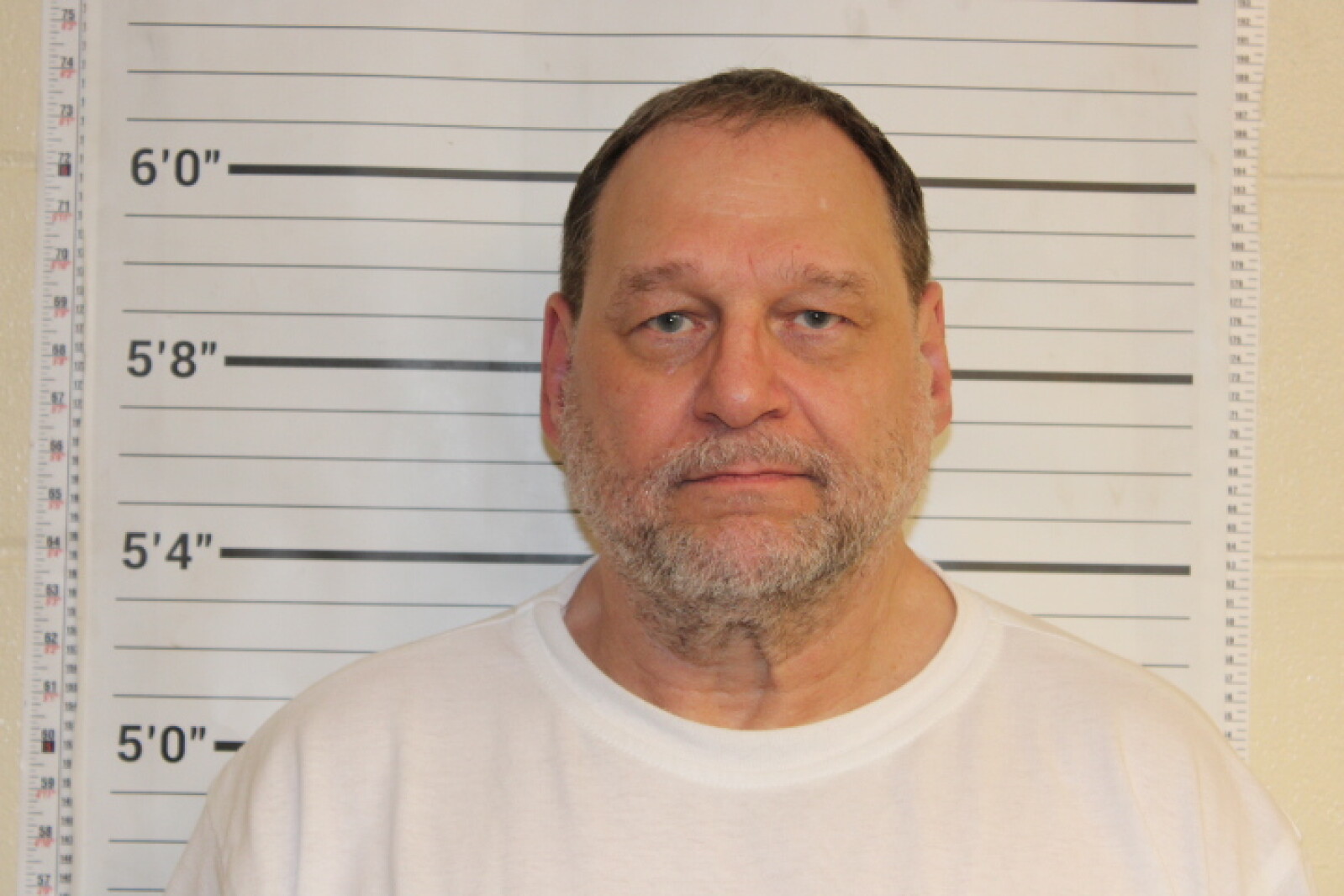
Werner Kunkel released in North Dakota after 30-plus years
A judge ordered Werner Kunkel released from prison this week, after his 1990s murder conviction was overturned earlier this year. Kunkel was convicted in the mid-1990s in the killing of Gilbert Fassett, whose body — found with multiple stab wounds — was discovered on the Spirit Lake Nation in August 1986. Kunkel was not identified as a suspect until years after the killing, and he was sentenced to life in prison (InForum; Dakota News Network).
The case is not over. Prosecutors are appealing the ruling that vacated the conviction, and a retrial remains possible; Kunkel had been held on the $300,000 cash bond originally set in the case before the release order at his August 12 court appearance. This is the ordinary shape of a post-conviction win: a reversal is not the same thing as an exoneration, and the state gets another turn.
A note on why that distinction matters. In Georgia this month, Alexander Woods III — the only person ever convicted by a jury in the 2004 execution-style killings of five Colquitt County residents — was released on August 8 after his conviction was overturned on what the district attorney described as a legal technicality, with the DA saying a retrial is now impossible (WALB). Reversal-and-release is a procedural outcome. Exoneration is a factual finding. Advocates who blur the two hand ammunition to people who want to pretend wrongful convictions are a myth.
Cook County: a former chief deputy will answer for exoneration decisions under oath
A federal judge has ruled that Kim Foxx's former top assistant in the Cook County State's Attorney's Office must sit for a deposition and explain, under oath, why the office chose not to contest the vacating of certain convictions — including the Mulero and Mendoza cases — and to answer questions about discussions with the Exoneration Project (CWB Chicago).
However this deposition comes out, it is a reminder that conviction review units operate almost entirely in the dark. When a CRU or a state's attorney declines to oppose relief, there is usually no published reasoning, no docketed findings, and no way for the public — or for the next petitioner in line — to know what standard was applied. Transparency cuts both ways, and innocence advocates should want it just as much as critics do.
The data: 97 exonerations logged for 2025, and misconduct almost everywhere
The National Registry of Exonerations' most recent annual report is the anchor for anyone trying to talk about scale honestly. As of April 6, 2026, the Registry had recorded 97 exonerations that occurred in 2025 — the lowest yearly total in any of its annual reports since 2013, when it reported 87. The Registry itself cautions that the 2025 figure will rise as cases are discovered and added later (2025 Annual Report, PDF).
The contributing-factor breakdown is the part that should stay in your head:
- Official misconduct appeared in at least 70 of the 97 exonerations logged for 2025.
- Of the 51 homicide exonerations, 40 — 78% — were marred by official misconduct.
The Registry also warns users not to rely on any single report for current statistics, because it publishes older-year exonerations on a rolling basis; its Explore Exonerations and Map View tools carry the live numbers (Registry publications page).
On the death-penalty end of the system, the Death Penalty Information Center counts at least 202 people wrongly convicted and sentenced to death and later exonerated since 1973 — roughly one death-row exoneration for every eight executions — and identifies official misconduct and perjury or false accusation as the most common causes of wrongful capital convictions. DPIC also notes that on July 23, 2026, a Delaware Superior Court judge ordered a Certificate of Innocence issued to Jermaine "Marlow" Wright and granted expungement of his conviction (DPIC).
Innocence organizations are still producing individual wins in the meantime. The Exoneration Project reports that its client Frank Drew was exonerated on March 12 after 24 years of wrongful incarceration for a 1996 homicide, and that client Benard McKinley was granted parole after 22 years in prison (Exoneration Project).
Where recantations fit — and one case that needs pressure now
Perjury and false accusation sit at the top of the causes list for a reason: informant testimony and single-eyewitness identifications are the two thinnest reeds in American criminal procedure, and when they snap, the system is remarkably slow to admit it. That is precisely the posture of Richard Barge's case in New Jersey. The state's Conviction Review Unit has already recommended his exoneration; the sole eyewitness has recanted, the informants have recanted, and new evidence points to other suspects. The file is now sitting with the Attorney General's Office awaiting final action. If you make one call today, make it this one: New Jersey Attorney General's Office, (609) 292-4925 — reference Richard Barge's case and mention Jennifer Davenport — then add your name to the petition.
What else you can do
- North Dakota / Kunkel case: The Great North Innocence Project handles post-conviction innocence claims across North Dakota, South Dakota, Minnesota, and Wisconsin and accepts case referrals through its website. Complaints about judicial conduct in North Dakota go to the North Dakota Judicial Conduct Commission, which is reachable through the North Dakota Supreme Court's website.
- Cook County: Complaints about Illinois judges go to the Illinois Judicial Inquiry Board; complaints about Chicago police conduct go to the Civilian Office of Police Accountability (COPA). Both accept complaints online. The Exoneration Project, based at the University of Chicago Law School, takes case submissions and publishes case updates.
- Nationally: The Innocence Project accepts case evaluation requests, and the National Registry of Exonerations takes tips about exonerations missing from its database — a genuinely useful thing to send if you know of a case that never got counted.
If you follow one thread out of today's roundup, follow the misconduct number: 70 of 97. That is not a story about honest mistakes.