Active case
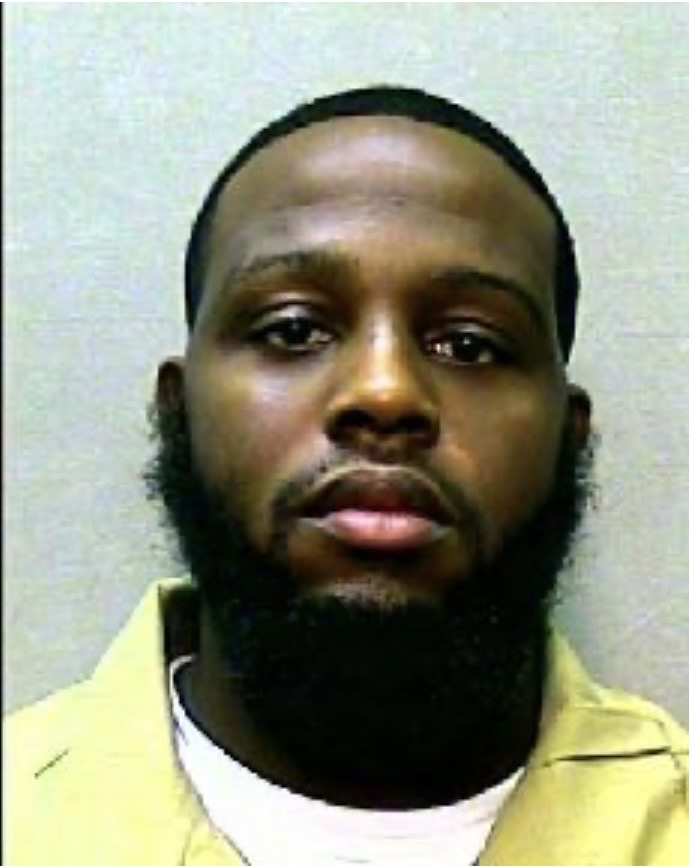
Manfred Younger
17 Years
Served so far
New Jersey
State
Murder of Tierra Pressley and shooting causing serious injury to Adrien Jackson
Conviction
78
Year sentence imposed in prison
22
Days of trial
$12,800
Undisclosed relocation benefits paid to informant Jamal Gibbs
17
Times prosecutor mentioned the informants in closing argument
15
Times eyewitness Adrien Jackson was shot
6
Vacated Pennsylvania convictions connected to Detective Martin Devlin
“No reasonable jury, hearing this evidence, would convict Mr. Younger.”
Case intelligence
The facts, the evidence, the open questions.
The facts, evidence, developments, and unanswered questions surrounding this case.
The story
Manfred Younger was convicted on May 20, 2011 of the June 17, 2007 shooting behind the Seventh & Kaighns Bar in Camden, New Jersey, which killed Tierra Pressley and seriously injured Adrien Jackson, and was sentenced to seventy-eight years in prison. The State's case rested on Jackson's identification, a recanted courtroom show-up identification by Tia Hannah, and two jailhouse informants who received undisclosed benefits and testified falsely about them. His co-defendant, Anthony Parker, was acquitted of all charges by the same jury, and post-conviction evidence now includes eyewitness statements, recantations, and proof of Brady, Giglio, and Napue violations.
What we know
Murder of Tierra Pressley and shooting causing serious injury to Adrien Jackson
Conviction, 2011
Seventy-eight years in prison
Sentence
New Jersey
State
What raises questions
Unreliable eyewitness identification obtained through suggestive procedures (single-photo display and a courtroom show-up), jailhouse informant testimony procured through undisclosed benefits, false testimony the prosecution failed to correct, suppression of material impeachment evidence, ineffective assistance of trial counsel, and investigative misconduct by a detective with a documented pattern of fabricating evidence.
The evidence
Evidence of innocence
Eyewitness Richard Barge
Richard Barge was present outside the bar at 7th and Kaighn when the shooting occurred. He testified during Mr. Younger's first post-conviction relief hearing that Mr. Younger was not one of the shooters.
Eyewitness Antwan Stanley
Antwan Stanley was also present at the scene and has provided both a sworn certification and a statement confirming that Mr. Younger was not one of the shooters. Both he and Barge are independent of Mr. Younger and have no incentive to provide false exculpatory testimony.
Younger was in jail on the date Jackson claimed to see him
Jackson testified he saw Mr. Younger 'rolling slow' in a vehicle on September 6, 2007, but Mr. Younger was incarcerated in the Gloucester County Jail that day. This proves Jackson did not know Mr. Younger and actually identified someone else as the shooter.
Co-defendant acquitted on the same identification evidence
The same jury acquitted co-defendant Anthony Parker of all charges. Parker faced only Jackson's identification without jailhouse informant corroboration.
Newly discovered evidence
Tia Hannah's recantation
Hannah, who testified at trial that she was only '60% sure' Mr. Younger was one of the men she saw, has since provided a sworn certification recanting her identification. She states she was pressured by police to identify Mr. Younger.
William Cooper certification
William Cooper, who has known Adrien Jackson since childhood, provided a sworn certification stating that after Jackson was shot, Jackson told Cooper 'that he did not know and could not identify who shot him and the young lady who was with him.' This corroborates Jackson's initial statements to police and contradicts his trial testimony.
Darryl Demby declaration
Demby provided a sworn declaration describing a late-2007 conversation in which Jackson admitted he did not know what happened and did not see the shooters. Demby's uncle then suggested it was 'the other Duke, the one that be with Baby J from Parkside,' though the uncle was not present and was 'just repeating assumption that the streets was saying.' Demby concluded: 'my uncle did in fact influence the victim into picking the wrong person.'
Gibbs no longer remembers the alleged confession
During an interview, Jamal Gibbs stated that he does not even remember Mr. Younger's alleged admission to murder.
Witnesses to Gibbs' pattern of fabrication
Milton Gardner confirmed Gibbs openly admitted he was lying about Mr. Younger, asked Gardner to lie with him, and had another inmate attack Gardner when he refused. Antoine Albert detailed Gibbs' pattern of fabricating testimony and his inappropriate relationship with the Camden County Prosecutor's Office. Samiyah Abdur-Rahman, Gibbs' former girlfriend, said Gibbs admitted lying in multiple cases, including about a Crown Fried Chicken homicide he could not have witnessed.
Investigation supervised by Detective Martin Devlin
Devlin, who supervised the investigation, has a documented history of fabricating evidence and coercing false confessions, has been charged with perjury in Philadelphia, and has been connected to at least six vacated convictions in Pennsylvania. His involvement is newly discovered evidence the jury never heard.
Due-process violations
Suppressed $12,800 benefit agreement for Gibbs
Just before trial, after Gibbs recanted his statement against Mr. Younger, the State entered a relocation assistance agreement providing $12,800 in rent, utilities, furniture, groceries, and cash over six months. Gibbs recanted his recantation only after receiving it, and the State never disclosed the agreement to the defense.
Suppressed Channer letters and sentence-reduction plans
Channer wrote five letters to the Camden County Prosecutor's Office requesting benefits, but only two were disclosed to the defense. Immediately after Mr. Younger's sentencing, DAG Kristin Harberg filed a Rule 35 motion seeking a downward departure of Channer's federal sentence based on his 'substantial assistance.'
Suppressed evidence of Gibbs' unreliability
The State withheld its knowledge that Gibbs had been found unreliable in at least one other matter and had given inconsistent statements in multiple investigations. It also withheld Gibbs' interviews in the Richard Barge case, which showed his inappropriate relationship with Martin Devlin and his gathering of information from sources other than defendants.
Napue violations — false testimony left uncorrected
The prosecutor knowingly allowed Gibbs to testify he received no benefit, allowed Channer to testify he was promised nothing, and failed to correct Jackson's Wade hearing testimony that he had not seen Mr. Younger after the shooting despite knowing Mr. Younger was incarcerated on September 6, 2007.
Prosecutor's own words confirm materiality
The prosecutor's sentencing memorandum called the Gibbs and Channer testimony the 'entire case.' DAG Harberg wrote that their testimony 'sealed the deal' and that without it the jury likely would have acquitted, in a case where the eyewitness identification was 'suspect at best.'
Suggestive identification procedures
Investigator Diane Wilson showed Jackson a single photograph of Mr. Younger in violation of the Attorney General's identification guidelines. Tia Hannah was brought to a courtroom 'show-up' identification at Mr. Younger's arraignment, a highly suggestive procedure that violated best practices.
Ineffective assistance of trial counsel
Evidence of Jackson's demonstrable misidentification of someone else on September 6, 2007 was discoverable, but trial counsel failed to use it. Counsel's failure constitutes ineffective assistance.
Unreliable evidence
Jackson could not initially identify anyone
Adrien Jackson was shot fifteen times, remained 'incoherent' until July 17, 2007, and maintained for roughly a year that he could not identify the perpetrators. His first mention of 'Baby J' came not in a police interview but in a February 2008 surreptitious recording by cooperating witness Troy Lone.
Jackson admitted he did not know 'Baby J'
On the recording, Jackson admitted he did not actually know 'Baby J' and engaged in a process of elimination based on street rumors. He stated that 'they' gave him the real name of 'Baby Jay' and that he did not know him or the other younger people he believed could have been the shooters.
Tia Hannah's unreliable identification
Hannah told investigators from the beginning that she could not identify the shooters or provide any description. Investigator Wilson testified Hannah remained unsure even after the suggestive courtroom show-up, and at trial Hannah said she was only '60% sure.'
Jailhouse informant testimony was central and false
Gibbs and Channer both claimed Mr. Younger confessed while incarcerated. The prosecutor mentioned their testimony seventeen times in closing argument, and the jury requested readbacks of both witnesses' testimony during deliberations, confirming their materiality.
Case timeline
2011
Conviction
Murder of Tierra Pressley and shooting causing serious injury to Adrien Jackson
Present
Active case
Where it stands
Active case
This case is active. Xonorate continues to advocate for a new look at this conviction.
Take action
No active petition for this case yet.
Want to understand the issues surrounding this case?
Ask Xonorate can help you explore the research, legal framework, and related Xonorate material.
Ask Xonorate →More cases
Comments
Sign in to leave a comment.